The Pacific energy sector is currently at a crucial turning point. Increased energy demand, driven by population growth, economic expansion, and the need for sustainable development, requires substantial expansion and transition of energy infrastructure across the Pacific. Many Pacific Island countries (PICs) have adopted ambitious renewable energy targets to tackle climate vulnerability and reliance on fossil fuels.
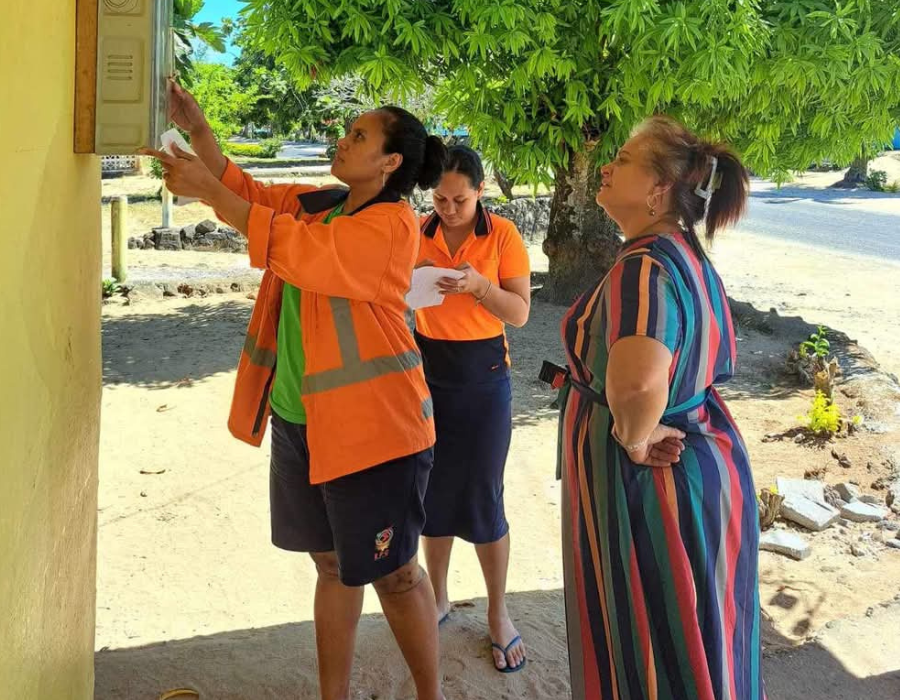
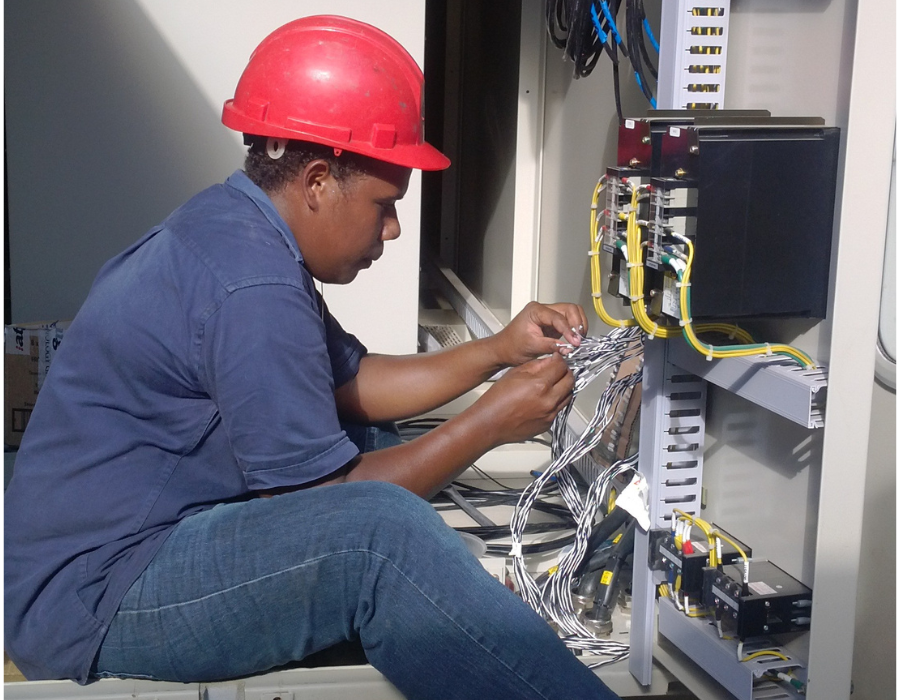
To expand and transition the sector, more workers are needed. While PICs have abundant unskilled labor, they face critical shortages in technical, vocational, and managerial talent, making it difficult to find specialized skills. Given these challenges, the energy sector, which is not traditionally a major employer of women, cannot afford to overlook half of the available workforce.
Women represent a significant and crucial untapped potential for the sustainable future of energy in the region. The utility workforce is heavily dominated by men, particularly in technical roles. In the power sector, where Science, Technology, Engineering, and Mathematics (STEM) positions make up 65% of the roles, women hold just over 5% of these positions. Women’s low representation is closely linked to their low representation in STEM fields, which prevents them from acquiring the specific skill sets necessary for better-paying skilled positions.
Tapping into the full spectrum of talent is essential for the sector to meet workforce demands, foster innovation, and ensure a skilled workforce for the future.